⸺ Cardamom Sourcing Guide

Guatemalan Cardamom Grades for Trade Buyers

Technical sizing, moisture, oil content, color and the industries that source each grade — straight from a Guatemalan exporter shipping to Middle East, Europe, South Asia and North America.

Guatemala is the world's largest producer of green cardamom (Elettaria cardamomum), shipping roughly 70% of global supply from the Alta Verapaz highlands. Trade buyers picking a grade are choosing between three trade-offs: cosmetic pod size, chemistry (volatile oil and color), and price per kilo of usable aroma. This guide maps the commercial grades we ship, their technical specifications, and the industries each grade serves.

The six commercial grades

01Grade
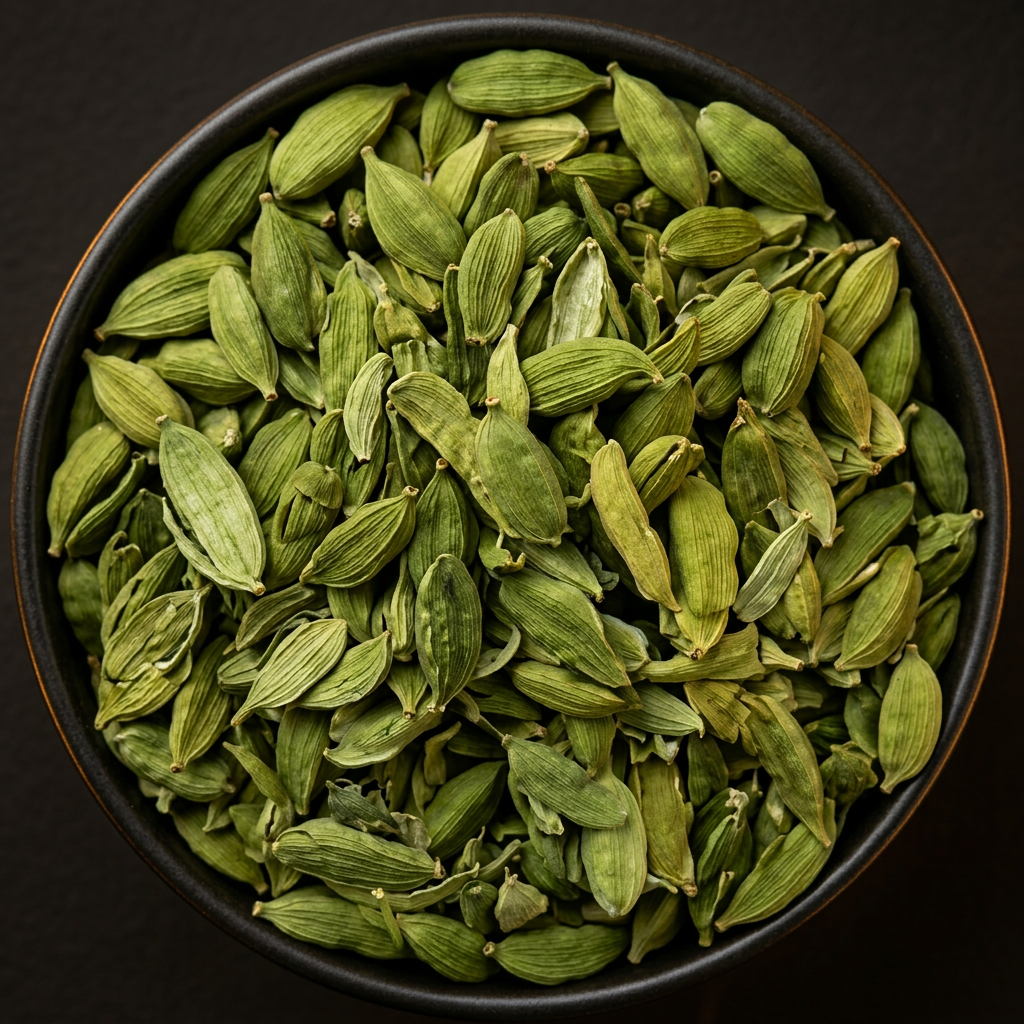
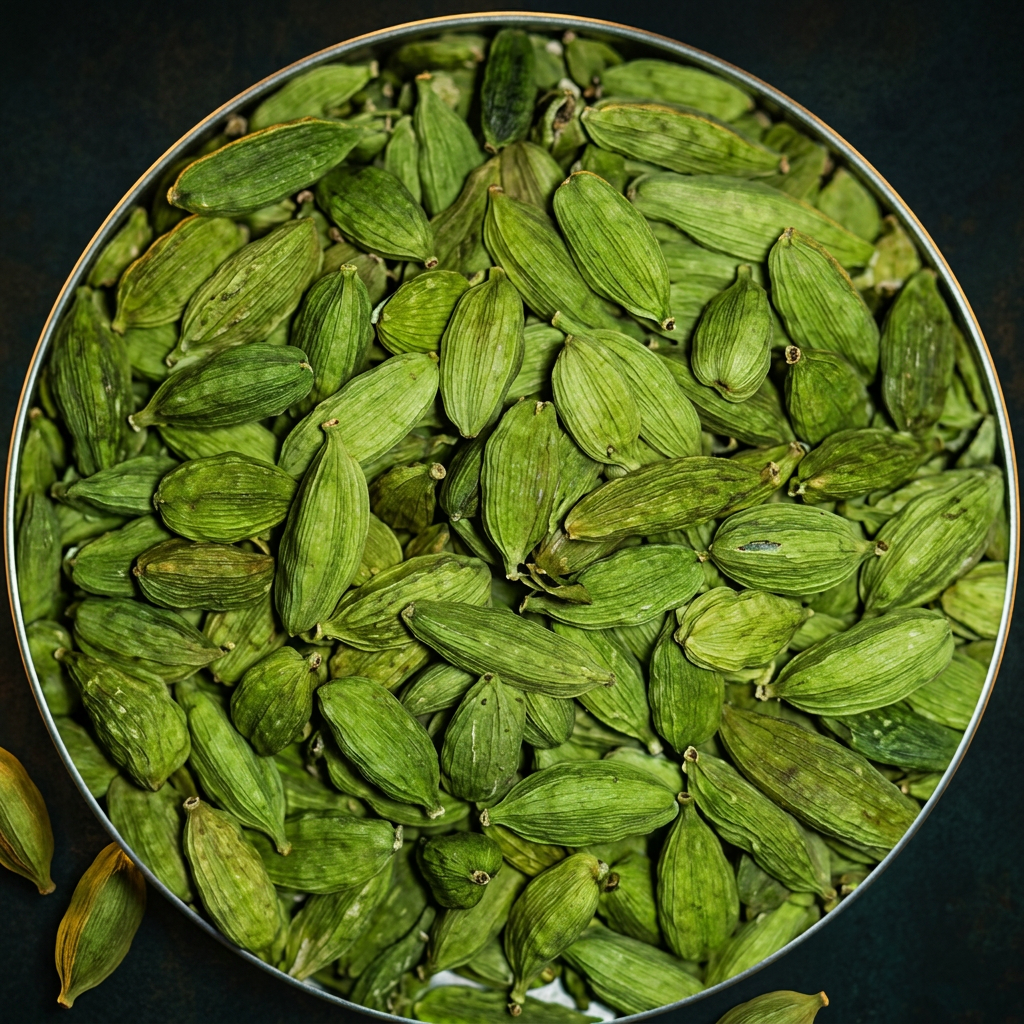
Intensive Green Jumbo XL — 8 mm and above

Intensive Green Jumbo XL

The cosmetic ceiling of the crop. Bought on pod size and color before chemistry — the market pays a premium per kilo for visual presentation, not for additional aroma yield.

Size

8 mm and above

Moisture

8–11%

Oil

7–8% volatile oil

Color

Deep, uniform dark green

Sourced by

  • · Middle East spice houses (Saudi Arabia, UAE, Kuwait) — visual premium for Arabic coffee (qahwa)
  • · Luxury Indian retail packing — gift-grade whole pods
  • · Top-tier distillers running showcase botanicals
02Grade
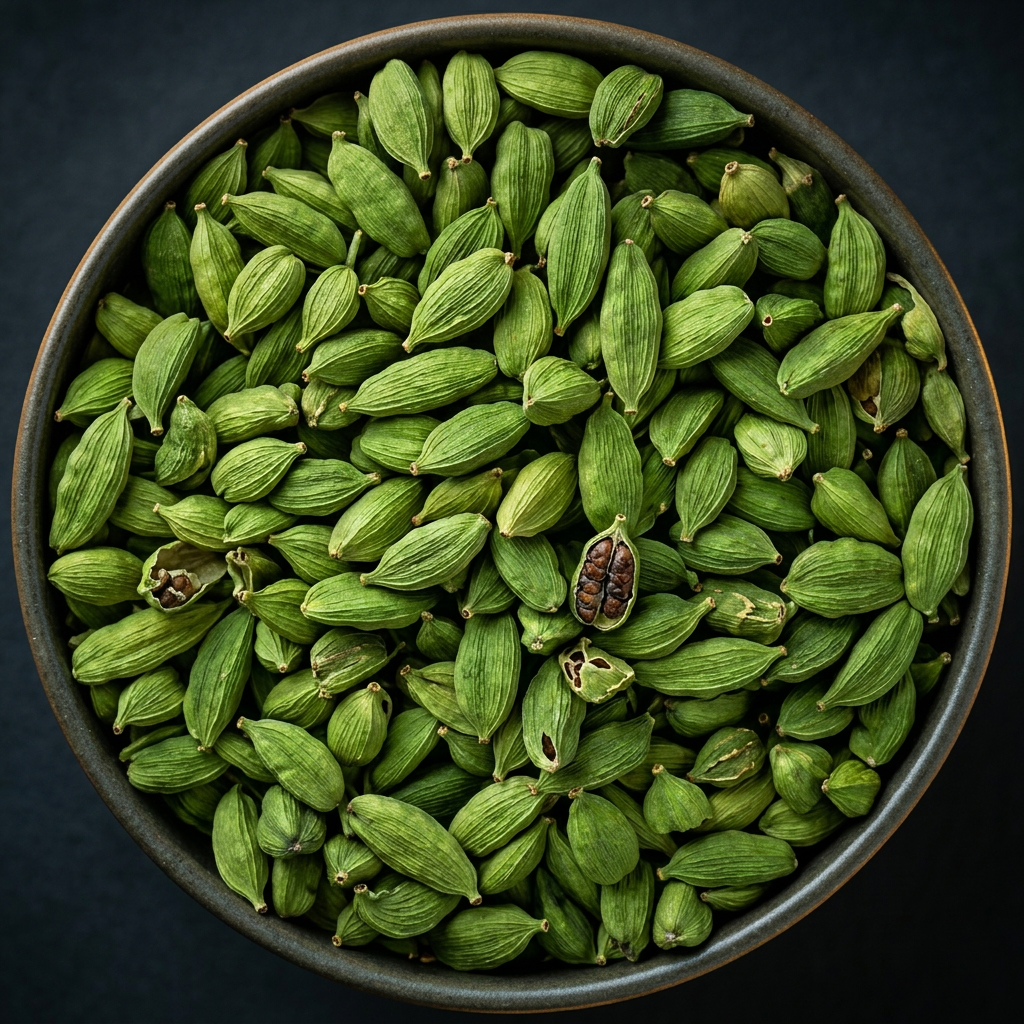
Intensive Green Large — 7–8 mm

Intensive Green Large

The working volume grade. Nearly identical chemistry to Jumbo XL with a meaningful cost difference — most repeat trade buyers anchor on this band.

Size

7–8 mm

Moisture

8–11%

Oil

6.5–7.5% volatile oil

Color

Bright uniform green

Sourced by

  • · Wholesale spice distributors in the Gulf and Levant
  • · Branded retail packers in India and Pakistan
  • · Tea blenders (chai masala, cardamom black tea)
03Grade
Intensive Green Medium — 6–7 mm

Intensive Green Medium

The mainstream Western processing grade. Industrial buyers grind or extract — pod size is irrelevant in the finished product, so they buy on oil yield and price per kilo of aroma.

Size

6–7 mm

Moisture

9–12%

Oil

6–7% volatile oil

Color

Green with some natural variation

Sourced by

  • · European spice houses (Germany, Netherlands, Spain)
  • · Industrial bakery and confectionery (cookies, breads, pastries)
  • · Sauce, marinade, and seasoning manufacturers
04Grade

Mixed Intensive Green

Best cost per kilo of volatile oil. Extractors and distillers screen out husk in their own process, so they will not pay the size premium that whole-pod markets pay.

Size

Unscreened, full crop blend

Moisture

9–12%

Oil

6–7% volatile oil

Color

Mostly green with natural blend

Sourced by

  • · Distillers (gin, aquavit, herbal liqueurs)
  • · Essential-oil and oleoresin extractors
  • · Flavor houses producing cardamom extracts
05Grade
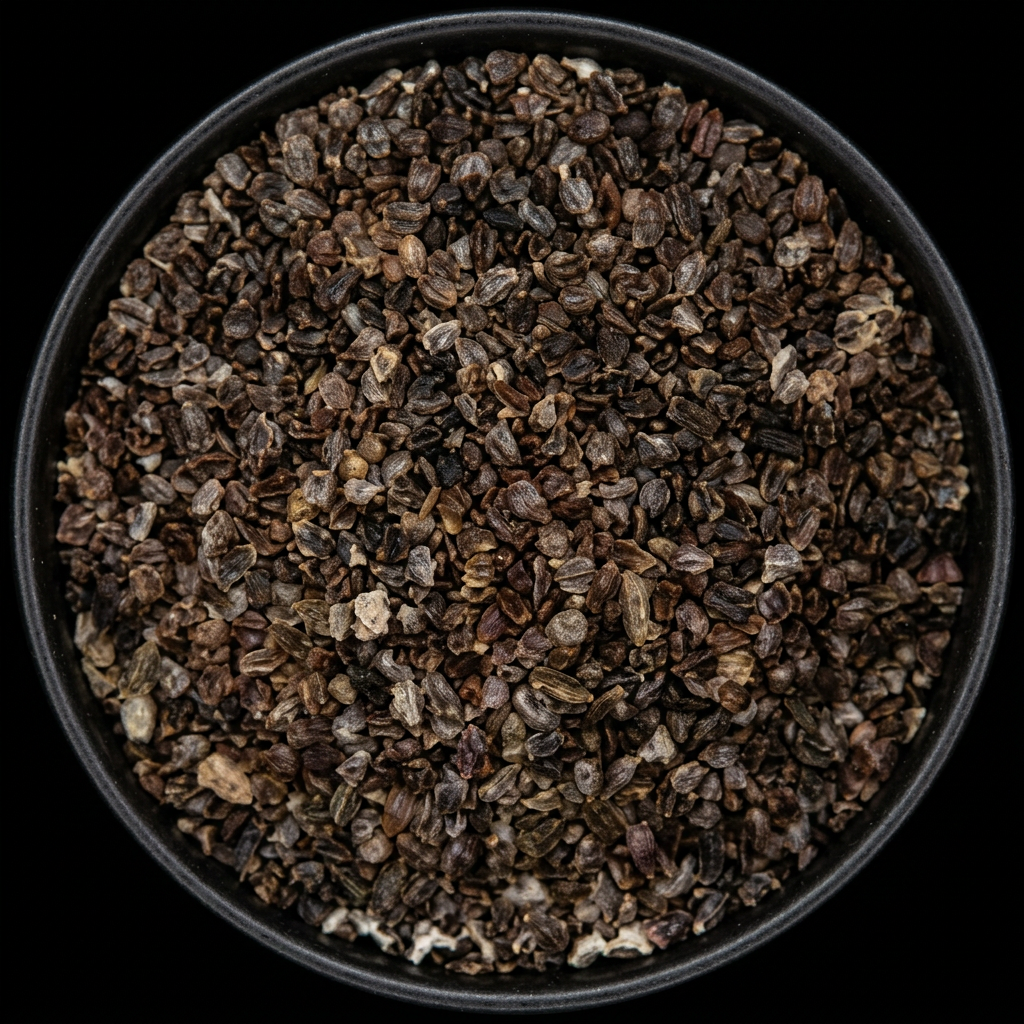
Decorticated Seeds — Seed only, husk removed

Decorticated Seeds

The pure-aroma grade. Customers pay a clear premium per kilo because every gram is active seed — no husk to discount in formulation math.

Size

Seed only, husk removed

Moisture

8–10%

Oil

7–9% volatile oil (highest)

Color

Brown to dark brown

Sourced by

  • · Ground-spice blenders (garam masala, baharat, ras el hanout)
  • · Food manufacturers (ready meals, dairy, baked goods, premixes)
  • · Premium tea and coffee brands
  • · Pharma and nutraceutical extract production
06Grade
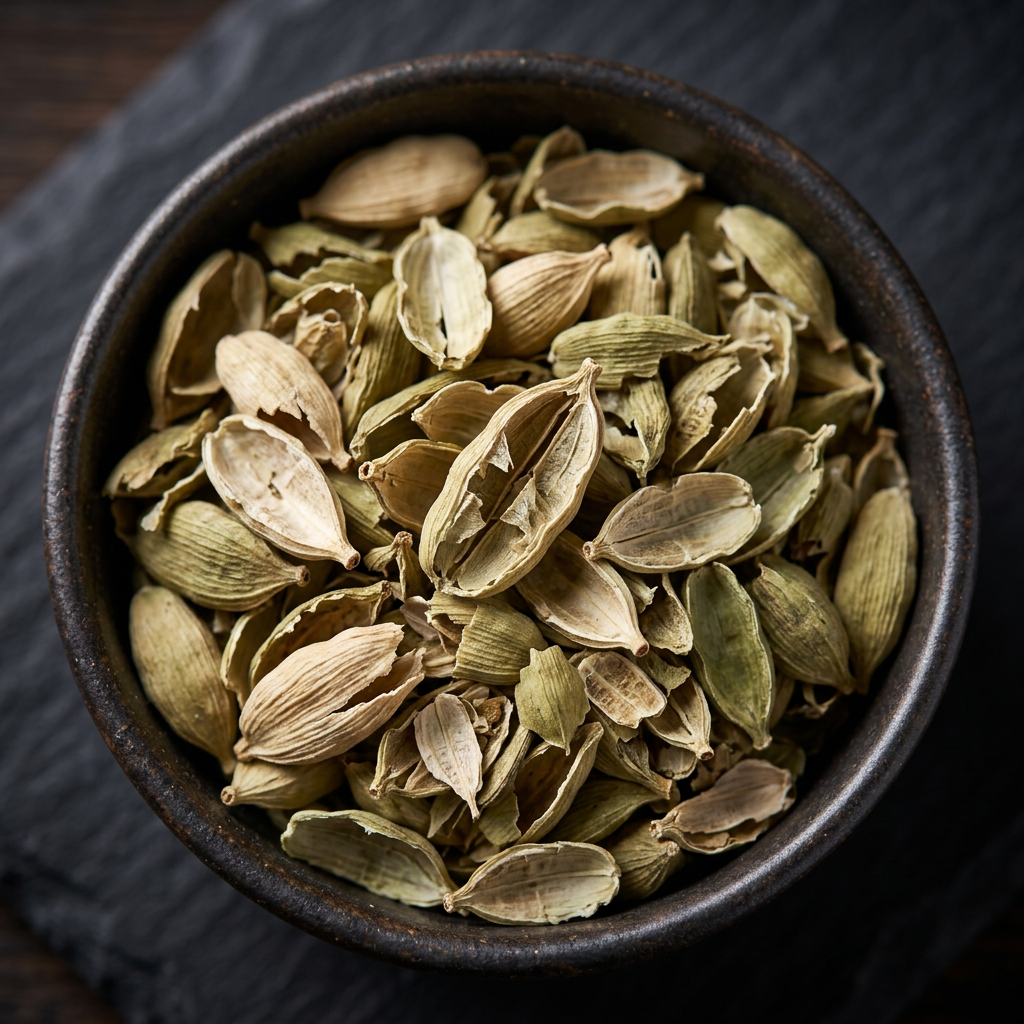
Husks (Cardamom Skin) — Outer pod shell, post-decortication

Husks (Cardamom Skin)

By-product of the decortication line. Sold as a secondary aromatic when buyers want a soft cardamom note at a fraction of pod cost.

Size

Outer pod shell, post-decortication

Moisture

10–12%

Oil

1–2% residual

Color

Pale green to straw

Sourced by

  • · Light infusions and herbal tea blends
  • · Low-cost cardamom-aroma applications
  • · Compost, biomass, and feed reuse

⸺ By destination market

Which grade does each market actually buy

MarketTypical gradesWhy
Middle East — Saudi Arabia, UAE, Kuwait, QatarJumbo XL · Green LargeCardamom is brewed whole into qahwa (Arabic coffee). Visual size and uniform green color set the wholesale price; chemistry is secondary.
Europe — Germany, Netherlands, Spain, NordicsMedium · Mixed · Decorticated SeedsIndustrial processors — bakeries, distillers, flavor houses, spice grinders. They buy on oil content per euro, not on pod appearance.
South Asia — India, Pakistan, BangladeshLarge · Medium · MixedBranded retail spice packers and chai/masala blenders. Mix of whole-pod retail and ground-spice manufacturing.
North America — USA, Canada, MexicoMedium · Decorticated SeedsSpice brands, craft distillers, specialty bakers. Seed and medium volumes dominate; Jumbo XL is a small specialty share.
Specialty — Perfumery, NutraceuticalsMixed · Decorticated SeedsExtract houses producing oleoresin, essential oil, and active compounds. Buy on cineole + α-terpinyl acetate yield.

⸺ How we grade at origin

From wet pod to shipping-ready lot

Pods are harvested green between October and February in Alta Verapaz, dried in controlled chambers to bring moisture down from ~80% to 8–11%, and then mechanically sized through calibrated sieves (6 mm, 7 mm, 8 mm). Each size lot is then visually graded for color uniformity and split-pod rejection. Decorticated seed lots come from the same crop, mechanically separated post-drying. Every lot leaves with a moisture certificate, mesh-size report, and (on request) third-party oil-content lab results.

What changes a grade's price month to month

  • · Crop weather — heavy late rains push oil content down and split rates up; Jumbo XL availability tightens fastest.
  • · Ramadan / Eid demand window — Middle East Jumbo XL and Large prices peak ~3 months ahead.
  • · Indian retail packing season — Diwali pulls Large and Medium upward.
  • · USD ↔ GTQ rate — quoted FOB Puerto Quetzal; quetzal strength compresses Guatemalan margins.

⸺ Ready to source

Pick the grade that matches your line

We ship 5 kg, 25 kg and 50 kg jute or kraft packaging FOB Puerto Quetzal, CIF or DDP on request. Minimum order one pallet (≈500 kg) per grade. Sample lots (250 g, sealed, declared) ship within 5 business days.