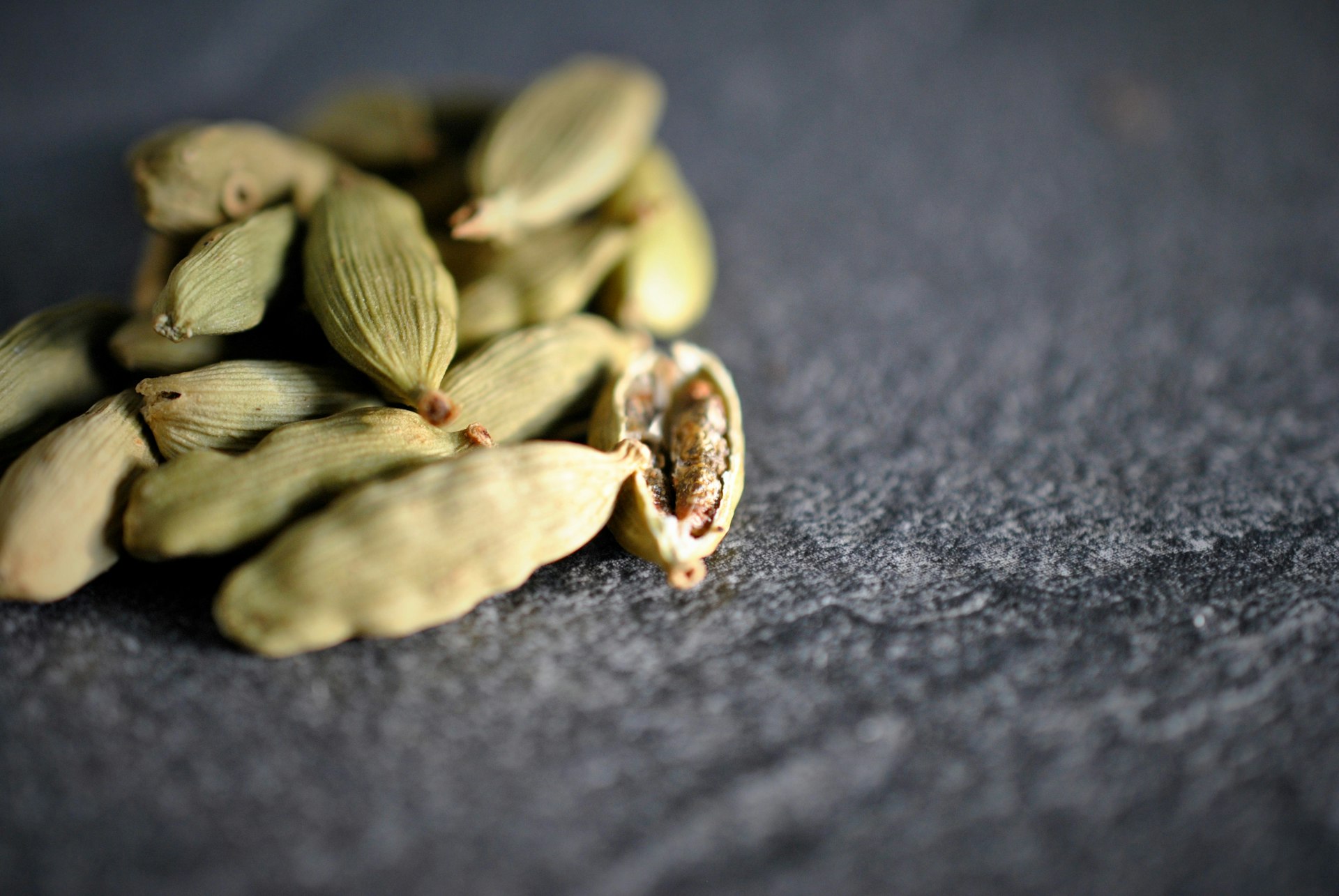
OUR CARDAMOMS

Cardamom, known as the "Queen of Spices," drives a global market valued at around USD 0.89 billion in 2025, with consumption fueled by its aromatic flavor, culinary versatility, and health benefits. This spice, primarily green cardamom from species like Elettaria cardamomum, sees rising demand in households, beverages, and ethnic cuisines worldwide. Consumption patterns reflect both traditional staples in Asia and emerging trends in Western markets.

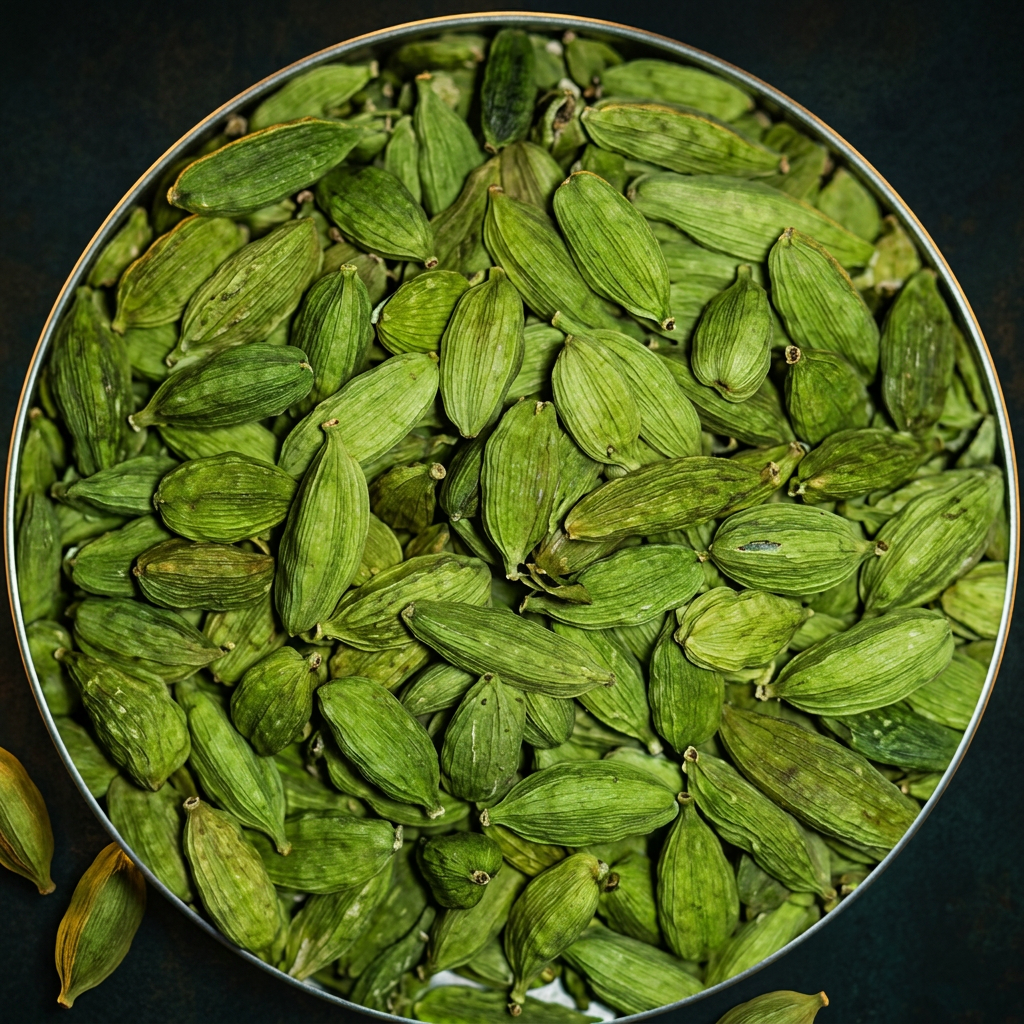
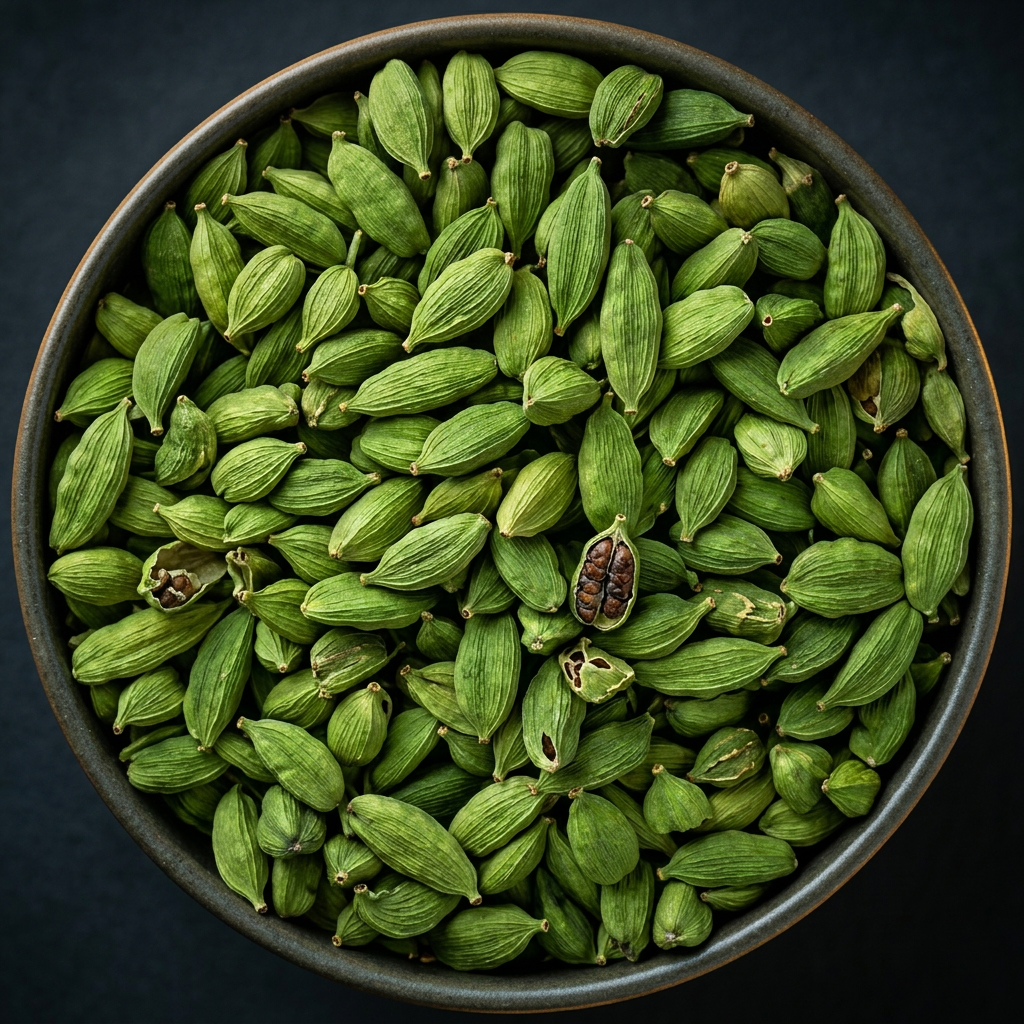
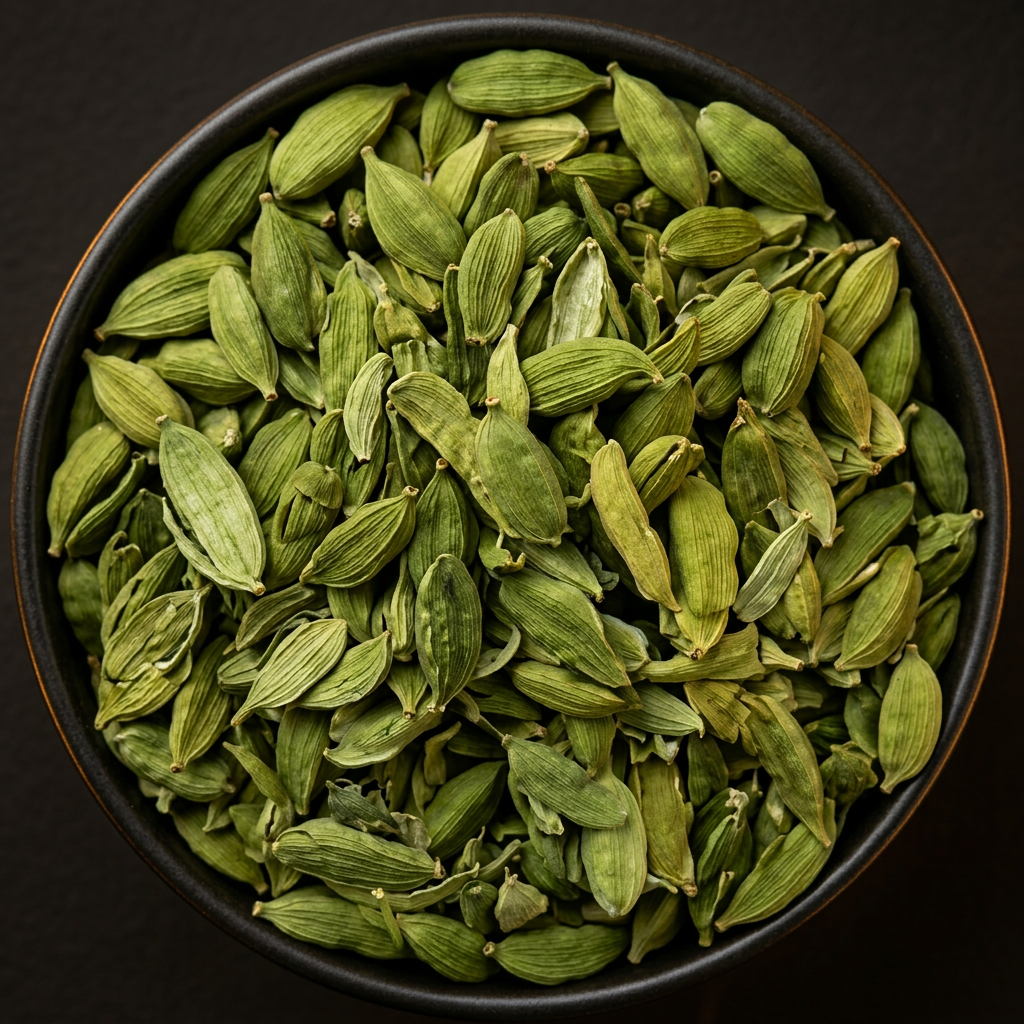
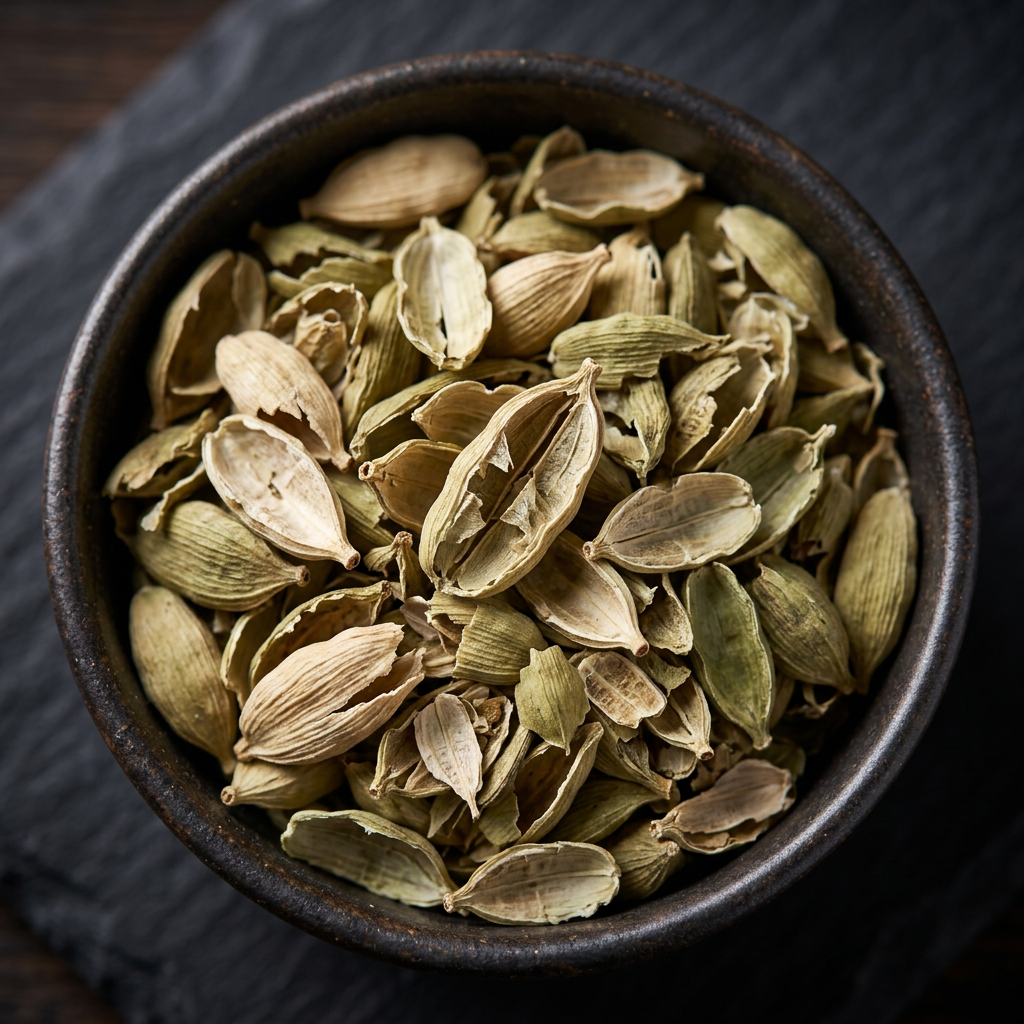
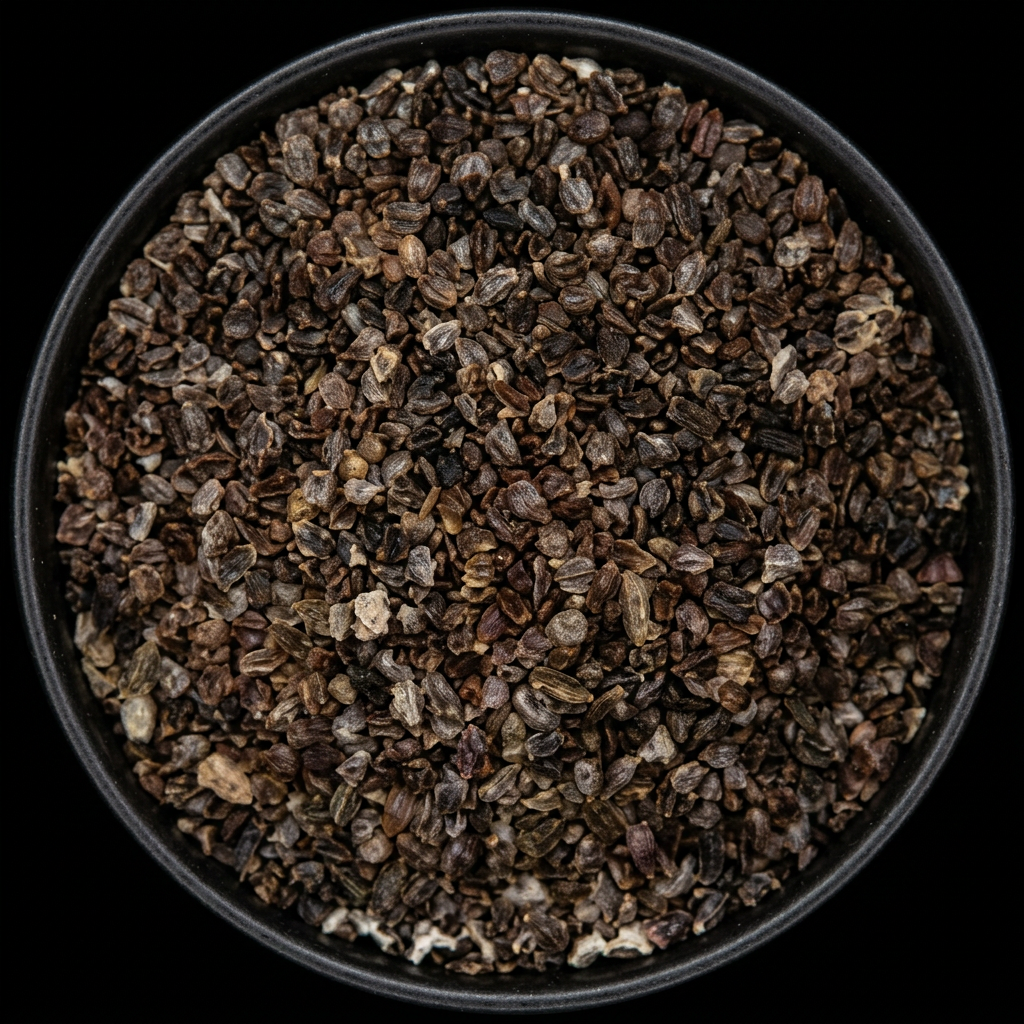
Green cardamom features small, pale green pods with a sweet, citrusy, floral aroma ideal for sweets and beverages. Black cardamom, larger and darker from Amomum subulatum, offers a smoky, earthy flavor suited to savory curries and stews. White cardamom, bleached green pods, provides a milder taste for uniform applications in baking.


Cardamom originated in India's Western Ghats and spread via ancient trade routes to Persia, Egypt, Greece, and Rome for culinary and medicinal uses. Arabs controlled early exports, introducing it to Europe through Venice during the Renaissance. Colonial powers like Portugal later expanded cultivation to regions such as Guatemala.

India, Guatemala, and Indonesia lead production at 41,000, 36,407, and 40,565 tonnes respectively in 2022, accounting for 85% of the 138,888-tonne total. The market projects growth to USD 1.22 billion by 2030 at a 6.4% CAGR, driven by Asia-Pacific dominance and exports from producers like Guatemala to Europe. Europe imported 2.7 thousand tonnes in 2023, with Guatemala supplying 86% to the EU.

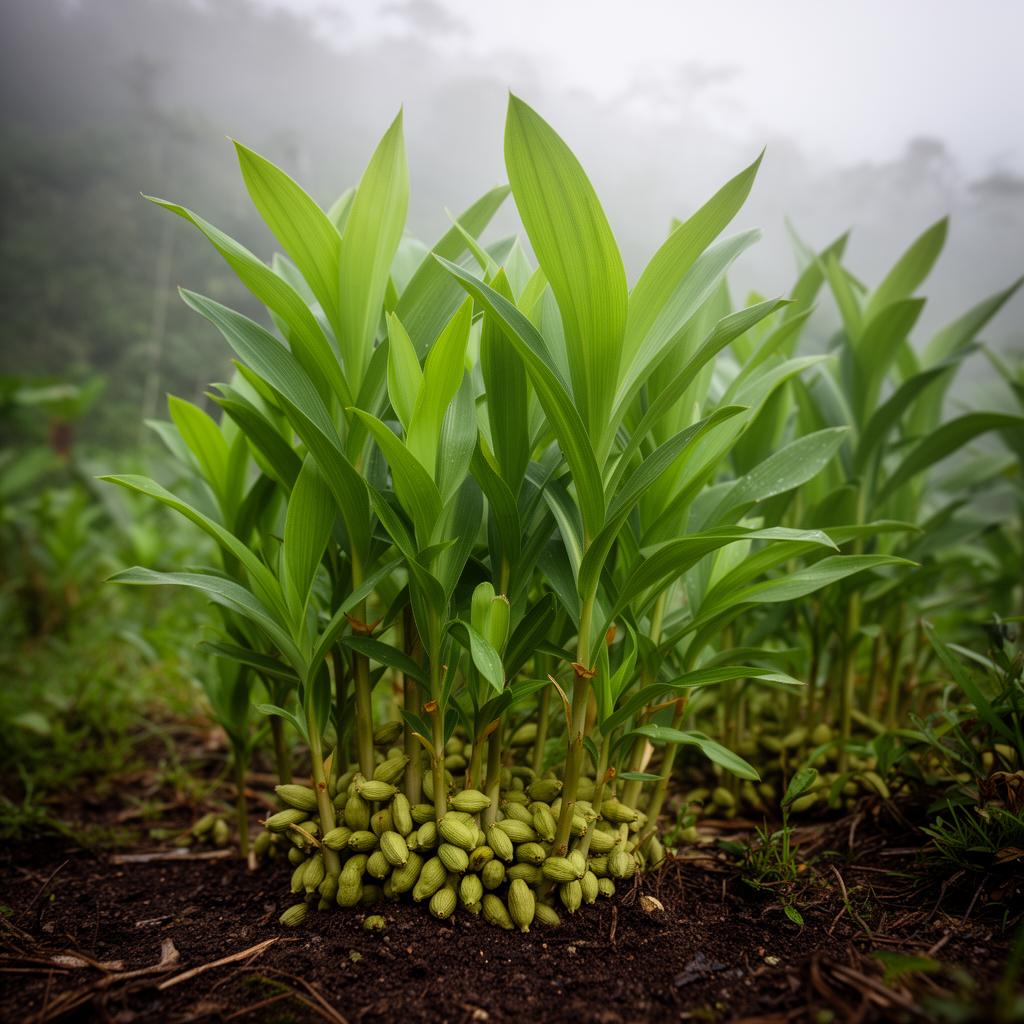
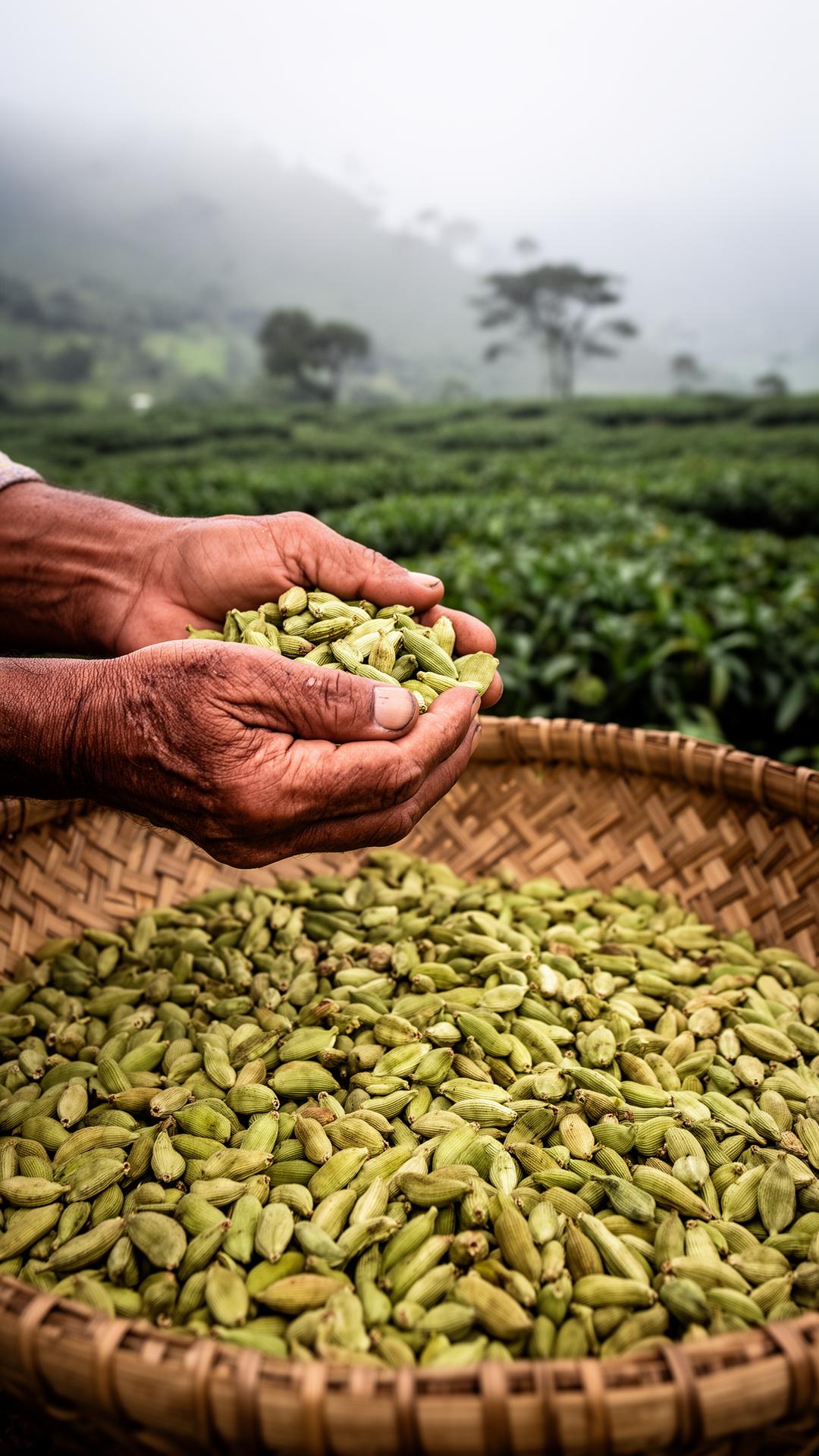
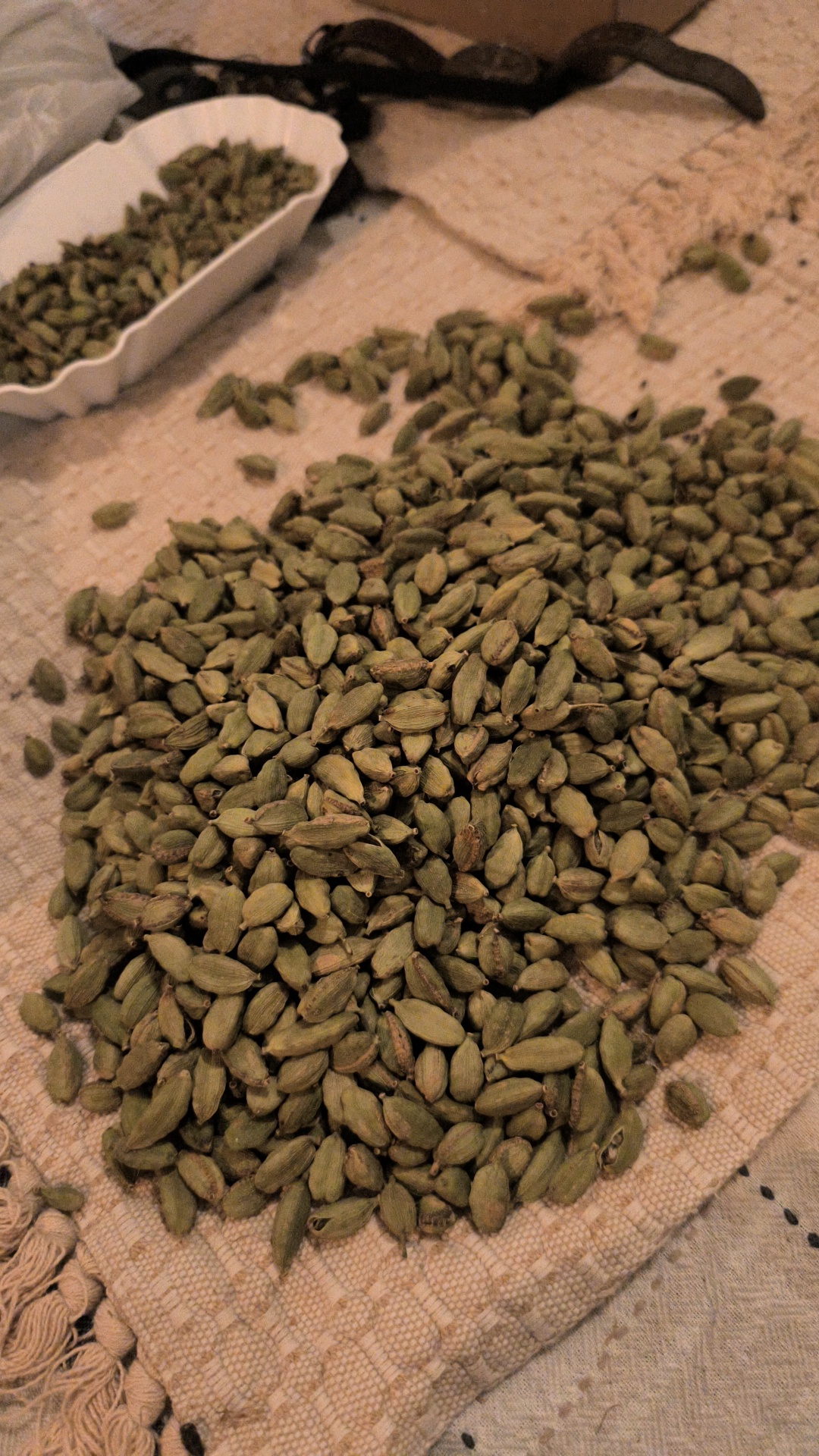
Royal Spices offers "Bolt Intensive Green" cardamom, a premium variety characterized by its vibrant, intense green color and bold aroma, sourced primarily from Guatemala's Ixcán (in Quiché department) and Alta Verapaz regions. This intensive cardamom thrives in the humid, tropical highlands between 600-1500 meters altitude, where hand-harvesting occurs three times yearly (October-December), followed by 24-hour drying to preserve quality. Collected through local networks of smallholder farmers, it supports around 350,000 producers despite challenges like heatwaves and thrips pests.